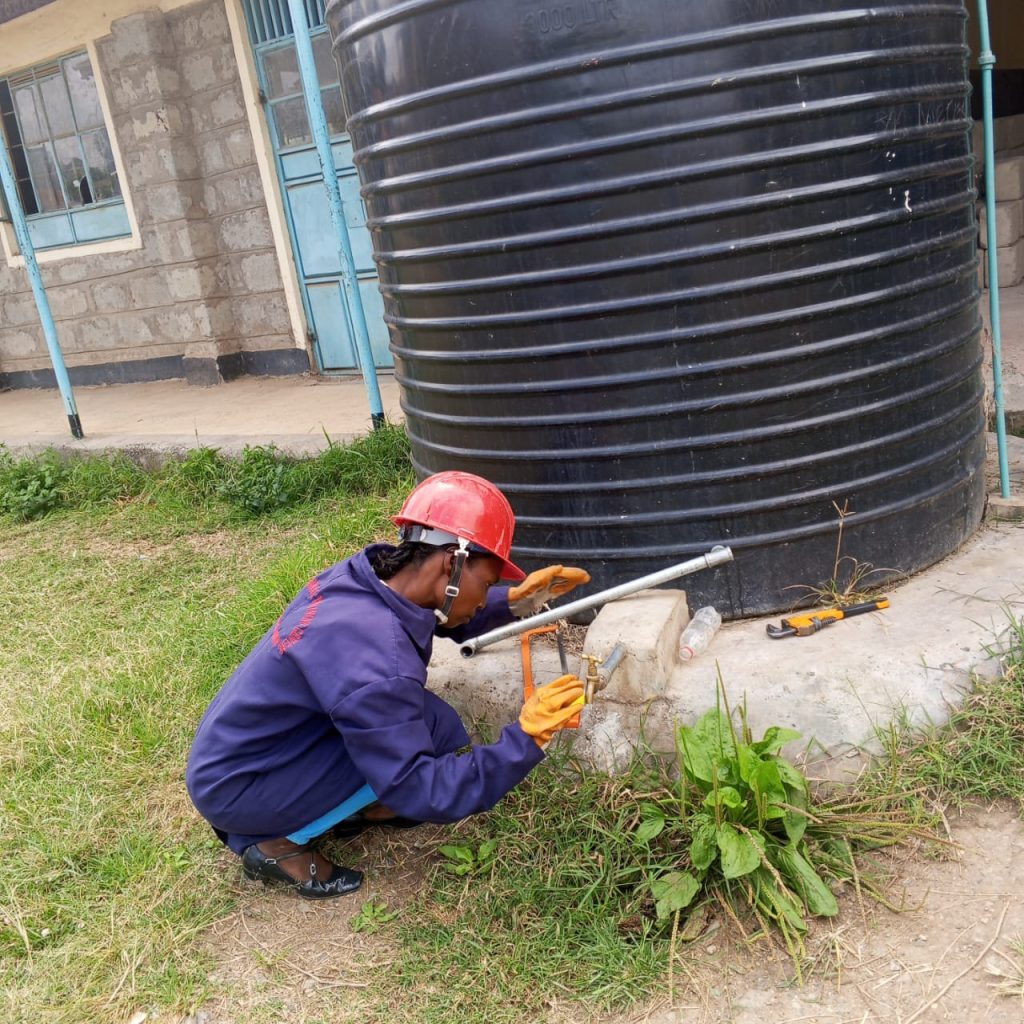
Skills, Strength and a Fresh Start for Young Women in Kajiado

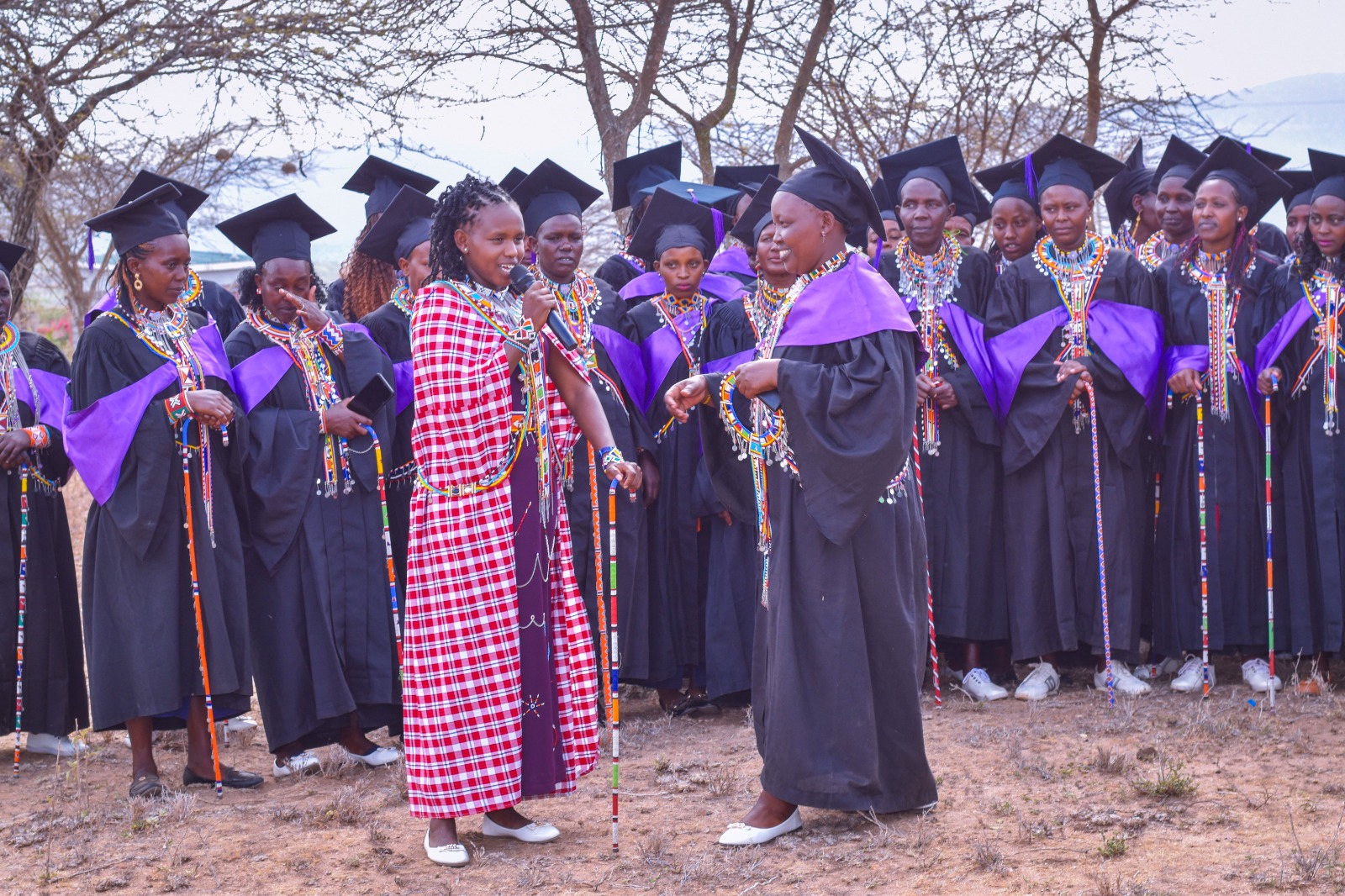
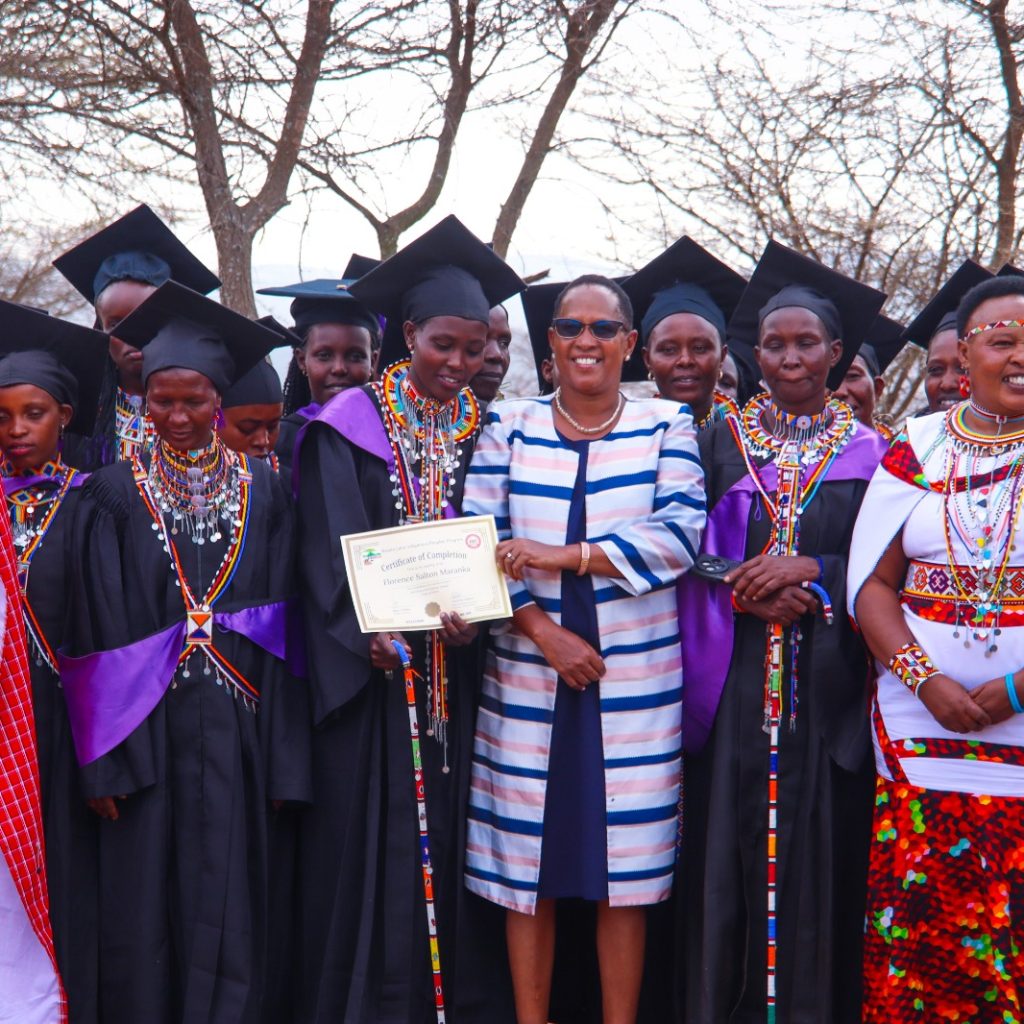
In January 2026, Nareto Latia, a woman led CBO in Delalekutuk Ward, Kajiado Central Sub County reached a historic milestone with its first-ever graduation ceremony. Forty-four young women successfully completed the Tailoring and Dressmaking course under the NITA Government Trade Test Level 3 certification. For many, this was the first time they had undertaken formal examinations or been publicly recognized for academic and professional achievement. The graduation represented more than individual success. It signaled a shift in what is possible for women and girls in remote communities where opportunities for structured training have historically been limited.

The skilling approach recognizes that economic empowerment is closely linked to protection from Sexual and Gender Based Violence (SGBV) in particular harmful traditional practices such as female genital mutilation (FGM), child marriages and domestic violence still rampant in the county. By equipping young women with skills that enhance income-generation, the center enables participants to, make independent decisions, and pursue safer and more dignified livelihoods. It also contributes to broader social change by offering alternative economic pathways that empower them to fight SGBV.

The impact of the programme is already visible as ggraduates prepare to establish small businesses within their community. Strengthened market linkages are also creating opportunities for graduates to reach wider clients beyond their immediate surroundings.

The Collaborative Centre for Gender and Development (CCGD) continues to support Nareto Latia  as a community skilling partner under the Jasiri programme. Together, this partnership demonstrates how community driven initiatives can create meaningful change when women are equipped with skills, supported by strong networks, and provided with pathways toward economic independence.

Leave a Reply

Your email address will not be published. Required fields are marked *


Search


A Centre for Policy Advocacy and Non-Discrimination


Equipping Young Women to Overcome Vulnerability

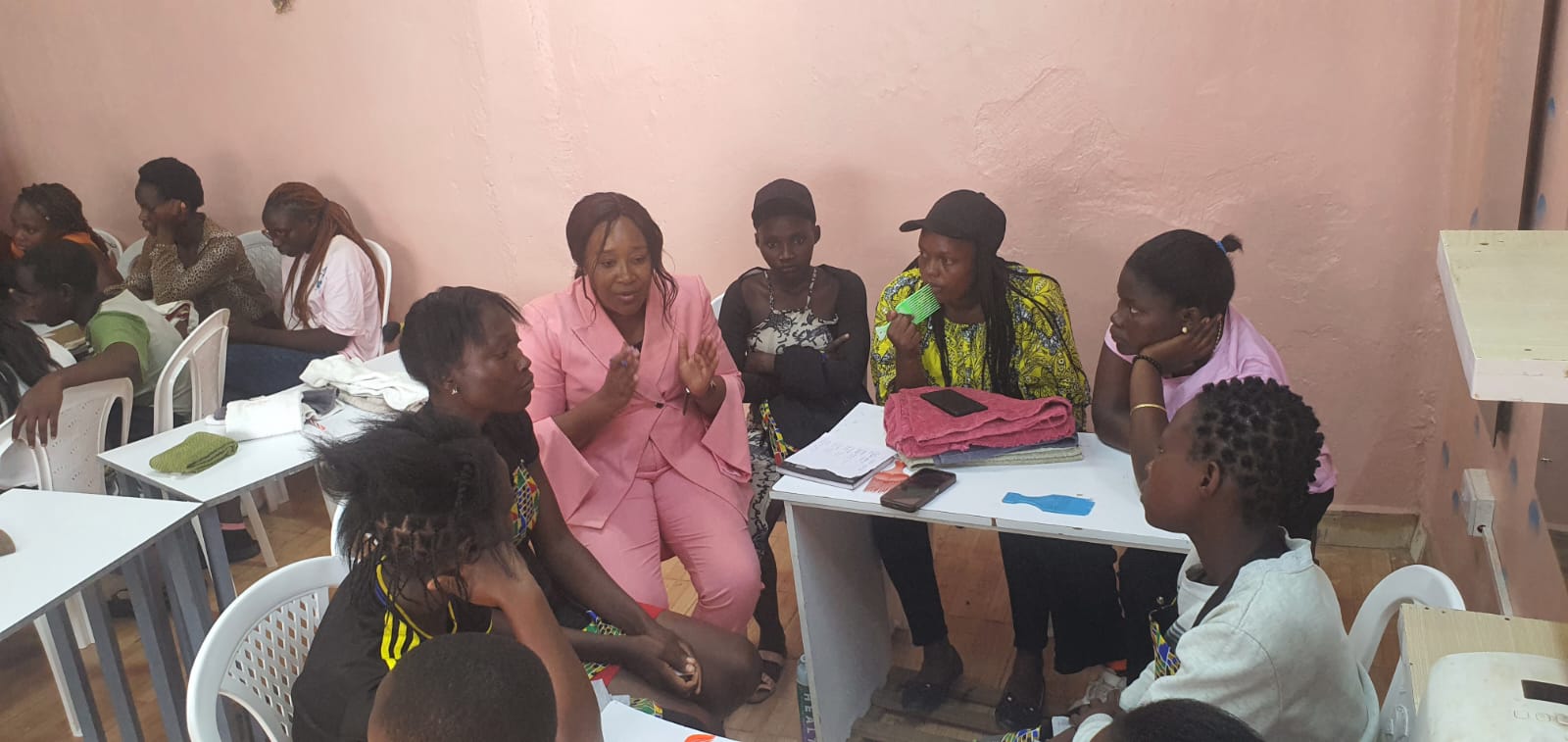
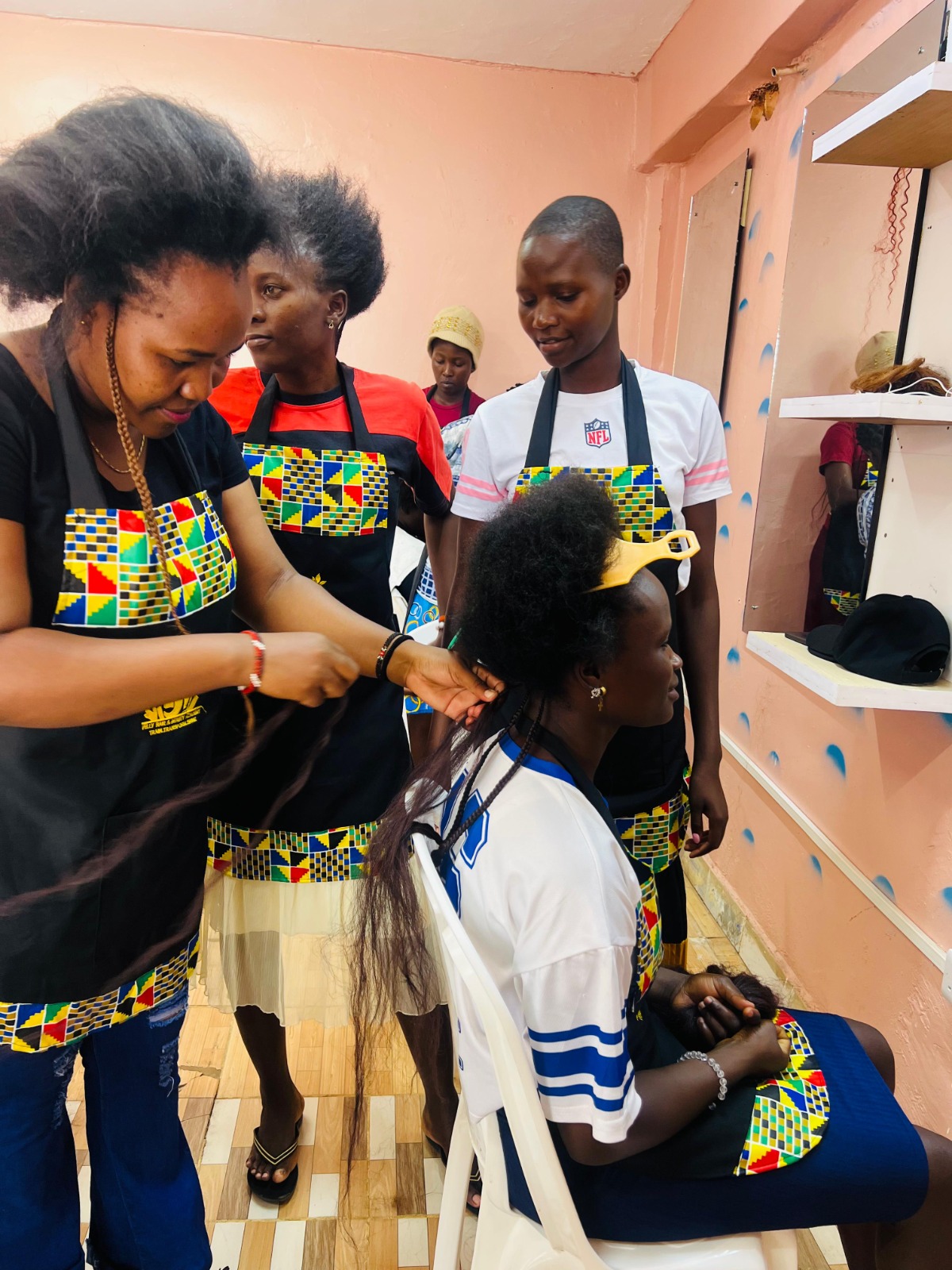
Felista Titi’s journey tells a story that many young women in Busia can relate to. In a region where cases of GBV and early marriages still cut short the dreams of girls, opportunities for economic independence can make all the difference.  Felista has long operated a hair salon where she trains young women on beauty therapy and hairdressing, not just as a trade, but as a way to regain dignity. As many needy young women recognized the opportunity she found it increasingly difficult to meet demand and wished for support to absorb more trainees.

Late last year her work was recognized by the Jasiri program (implemented by CCGD in Busia county) under which she got support to open a separate better equipped skilling center. It is accredited by the National Industrial Training Authority (NITA) which certifies graduates. The courses offered are practical, marketable, and accessible to young women who may not have had other opportunities.

The transformation has been visible. Young women who once depended entirely on others are now earning their own income. Some are supporting their children. Others are delaying marriage because they want to secure their future first. Skills have given them ability and confidence, and certification – legitimacy that opens doors beyond their immediate living and working environments.

Felista is demonstrating how investing in skills can progressively challenge cycles of vulnerability, GBV, and early marriage and replace them with income, confidence, and possibility.

Leave a Reply

Your email address will not be published. Required fields are marked *


Search

A Centre for Policy Advocacy and Non-Discrimination

Strengthening GBV Response in Baringo and Samburu Counties

Two Women Rights Organizations (WROs), The Baringo Women and Youth Group and Naitutum Ngai CBO will work in partnership with CCGD to deepen advocacy and implementation of initiatives aimed at preventing and responding to gender-based violence, particularly affecting adolescent girls and young women. Through this partnership, the two organizations will strengthen community activism against GBV while improving response systems at county-level. Their work will focus on mobilizing local leaders and community members, responding to GBV emergencies, supporting case management, and enabling survivors to access clinical and psychosocial services. A key priority will be making referral pathways functional and responsive so that survivors are not left navigating complex systems alone.

Beyond emergency response, the partnership places strong emphasis on economic empowerment. Survivors and at-risk young women will be supported to access skilling opportunities and financial inclusion pathways that enhance their participation in the local economy. By linking protection services with livelihood support, the initiative addresses one of the root drivers of GBV, economic dependence. It will also amplify the visibility, voice, and agency of young women in advocacy spaces. By strengthening their participation in anti GBV and gender equality efforts, the programme ensures that young women are not only beneficiaries of services but active leaders shaping change in their communities. CCGD invests in strong grassroots partnership with WROs to empower local women actors to lead prevention, protection, and gender equitable transformative change.

Equipping Young Women to Overcome Vulnerability

Felista Titi’s journey tells a story that many young women in Busia can relate to. In a region where cases of GBV and early marriages still cut short the dreams of girls, opportunities for economic independence can make all the difference.  Felista has long operated a hair salon where she trains young women on beauty therapy and hairdressing, not just as a trade, but as a way to regain dignity. As many needy young women recognized the opportunity she found it increasingly difficult to meet demand and wished for support to absorb more trainees.

Late last year her work was recognized by the Jasiri program (implemented by CCGD in Busia county) under which she got support to open a separate better equipped skilling center. It is accredited by the National Industrial Training Authority (NITA) which certifies graduates. The courses offered are practical, marketable, and accessible to young women who may not have had other opportunities.

The transformation has been visible. Young women who once depended entirely on others are now earning their own income. Some are supporting their children. Others are delaying marriage because they want to secure their future first. Skills have given them ability and confidence, and certification – legitimacy that opens doors beyond their immediate living and working environments.

Felista is demonstrating how investing in skills can progressively challenge cycles of vulnerability, GBV, and early marriage and replace them with income, confidence, and possibility.

Search

A Centre for Policy Advocacy and Non Discrimination

Skills, Strength, and a fresh start for Young Women in Kajiado County

In January 2026, Nareto Latia, a woman led CBO in Delalekutuk Ward, Kajiado Central Sub County reached a historic milestone with its first-ever graduation ceremony. Forty-four young women successfully completed the Tailoring and Dressmaking course under the NITA Government Trade Test Level 3 certification. For many, this was the first time they had undertaken formal examinations or been publicly recognized for academic and professional achievement. The graduation represented more than individual success. It signaled a shift in what is possible for women and girls in remote communities where opportunities for structured training have historically been limited.

The skilling approach recognizes that economic empowerment is closely linked to protection from Sexual and Gender Based Violence (SGBV) in particular harmful traditional practices such as female genital mutilation (FGM), child marriages and domestic violence still rampant in the county. By equipping young women with skills that enhance income-generation, the center enables participants to, make independent decisions, and pursue safer and more dignified livelihoods. It also contributes to broader social change by offering alternative economic pathways that empower them to fight SGBV.

The impact of the programme is already visible as ggraduates prepare to establish small businesses within their community. Strengthened market linkages are also creating opportunities for graduates to reach wider clients beyond their immediate surroundings.

The Collaborative Centre for Gender and Development (CCGD) continues to support Nareto Latia as a community skilling partner under the Jasiri programme. Together, this partnership demonstrates how community driven initiatives can create meaningful change when women are equipped with skills, supported by strong networks, and provided with pathways toward economic independence

Search

A Centre for Policy Advocacy and Non Discrimination

Mental Health Awareness

The Silent Battle: Understanding the Impact of SGBV on Mental Health

Sarah was a young woman full of life and ambition. From the outside, everything seemed perfect in her life – a successful career, a loving partner, and dreams of a bright future. However, behind closed doors, she was living a nightmare. Her partner, Mark, subjected her to emotional manipulation and verbal abuse for years. At first, Sarah thought Mark’s behaviour was just a temporary hurdle in their relationship. But things quickly spiralled out of control as the abuse escalated, leaving her trapped in a web of fear and despair. One evening, after a heated argument, Mark’s rage turned physical, leaving Sarah bruised and terrified. At that moment, she realized that she could no longer endure the danger she faced. Fuelled by fear and desperation, Sarah found the courage to seek help. With the unwavering support of her friends, she contacted a local organization that specialized in helping survivors of domestic violence. Through counselling and legal guidance, Sarah found the courage to break free from her abusive relationship and start a journey of healing and empowerment.

Individuals experience pain and suffering throughout human life, which can leave unseen emotional scars. Sexual and Gender-Based Violence (SGBV) is one of the most distressing experiences that can cause such wounds. Besides causing physical harm, SGBV can also have long-lasting effects on mental health, disrupting the balance and stability of a person’s overall well-being.

SGBV encompasses a spectrum of abuses, including rape, sexual assault, domestic violence, forced marriage, female genital mutilation (FGM), forced abortion, and forced sterilization perpetrated against individuals based on their gender. It is prevalent worldwide and affects people from different cultures, socioeconomic backgrounds, and regions. However, discussions about its impact on mental health are often avoided because of the stigma and shame associated with it. Survivors of Sexual and Gender-Based Violence (SGBV) often face an array of psychological challenges that affect various aspects of their lives. They have to deal with trauma, which can manifest in different ways such as Post-Traumatic Stress Disorder (PTSD), depression, suicidal thoughts, anxiety, substance abuse, and disassociation. Survivors may experience nightmares that disrupt their sleep, as well as flashbacks that transport them back to the traumatic event. This can make them feel trapped in an endless cycle of emotional pain and suffering.

Moreover, the psychological scars of SGBV extend beyond the individual, impacting interpersonal relationships and social functioning. Survivors may struggle with trust issues, withdrawing from intimacy and connection out of fear of vulnerability or re-traumatization. Survivors often blame themselves, which damages their self-esteem, leading to a sense of unworthiness. The invisible wounds of SGBV wield a profound influence, shaping survivors’ perceptions of themselves and the world around them.

Amid difficulties and hardships, the path to recovery is filled with obstacles, yet not devoid of hope. An important part of this journey is recognizing the experiences of those who have survived and acknowledging their emotions. Creating a safe environment for survivors to share their stories, without fear of judgment or disbelief, is crucial in promoting healing and empowerment. Professional mental health support, including therapy and counseling, equips survivors with tools to navigate the complex terrain of trauma and regain control over their lives.

Furthermore, addressing the systemic factors that perpetuate SGBV is essential in preventing future harm and promoting holistic healing. This entails challenging societal norms that perpetuate gender inequality and violence, advocating for comprehensive legislation to protect survivors, and fostering a culture that respects consent and promotes respect.

As we observe Mental Health Awareness Month, let us focus on the intersection of SGBV and mental health, amplifying the voices of survivors and working towards removing the barriers to healing. By taking collective action, showing compassion, and standing in solidarity we can create a world where survivors are not defined by their trauma but rather empowered by their resilience. Let us break the silence and work together to pave the path towards healing and justice for all.

By Rebecca Mmboga

Clinical Psychology Program Assistant

Profits from the Jasiri Fund loan brought relief in my life

Covid -19 nearly brought to halt business operations not only in Kenya but globally. This follows the stiff measures that were placed to curb the spread of the virus, these measures affected women’s labour markets. Businesses such as greengrocery, and mitumba (second-hand) clothes, fish mongering which are dominated by women were hard hit as compared to those operated by men. The situation was exacerbated by the spike in cases of gender-based violence witnessed during the stay-at-home period.

As a way of re-energizing and rebuilding the resilience of women survivors of SGBV, Mastercard Foundation supported a consortium of three organizations including CREAW, Groots Kenya and CCGD to develop Jasiri Fund. This non-collateral loan sought to facilitate affordable financial services s women survivors of sexual and gender-based violence (SGBV) in Kenya in the wake of Covid-19.

To date, over 700 women have benefitted from the program. One of them is Ms. Dolrose Awino, a greengrocery businesswoman based at Kinango market in Kwale County. Despite having a successful business before the onset of Covid-19, all the success she had made was watered away by the pandemic. Her situation was worsened by the continuous domestic violence she experienced in her marriage.     

“My ex-husband used to beat me, he demanded that I leave the house by 10:00 am and come back by 5: 00 pm failure to which he would beat me up. The man used to beat me on a daily basis because of the nature of my job where I have to leave early to the market and come back late in the night,” she narrated.

But when push came to shove, Ms. Awino walked out of the abusive marriage. She was later enrolled as a beneficiary of the Jasiri Fund program where she was among other survivors who were taken through a number of entrepreneurship training before being given loans.

“Personally, I was given a loan worth Ksh, 80,000 which I used to boost my business and the profit plowed from the business is what I used in buying the four cattle as I plan to venture into livestock keeping.,” she explained.

Added: “From the loan, I could use Ksh. 15,000 to buy a sack of sardines from Kisumu out of which I would make a profit of Ksh. 10,000 per sack and that is how I managed to raise money to buy these cattle.”

Ms. Awino has not only ventured into cattle rearing but aspires to open up a retail shop within Kinango “As we speak, there is a place I have identified that am planning to open up a retail shop this is due to the harsh economic time we are facing. So, if I can combine the two businesses – greengrocery and shop then I will be one step ahead;” she said.

She remains buoyant that Jasiri will continue empowering more women like her. She, however, calls upon the program implementors to onboard more women in the program as this will help in reducing cases of SGBV in the county.

Despite making business progress, Ms. Awino faces a number of challenges which she says has affected the business considering that her businesses rely heavily on Jasiri loan. “Some of the challenges we are facing here in Kinango are drought and rise in the price of commodities which have adversely affected our businesses,” said Ms. Awino.

She pleaded with women in business to reduce expenses in their businesses and turn their focus into savings.

“I urge fellow women in business to put more effort into savings and avoid too many expenses in their businesses. They should also set targets in their businesses,” she said.

With support from Mastercard Foundation, through the Response, Recovery and Resilience Project in partnership with CREAW and GROOTS Kenya, CCGD has facilitated affordable financial services to women such as Ms. Dolrose Awino through Jasiri Fund. CCGD is currently implementing the program in Kwale, Kajiado and Busia Counties.

Relaunch-PCSEAP-01

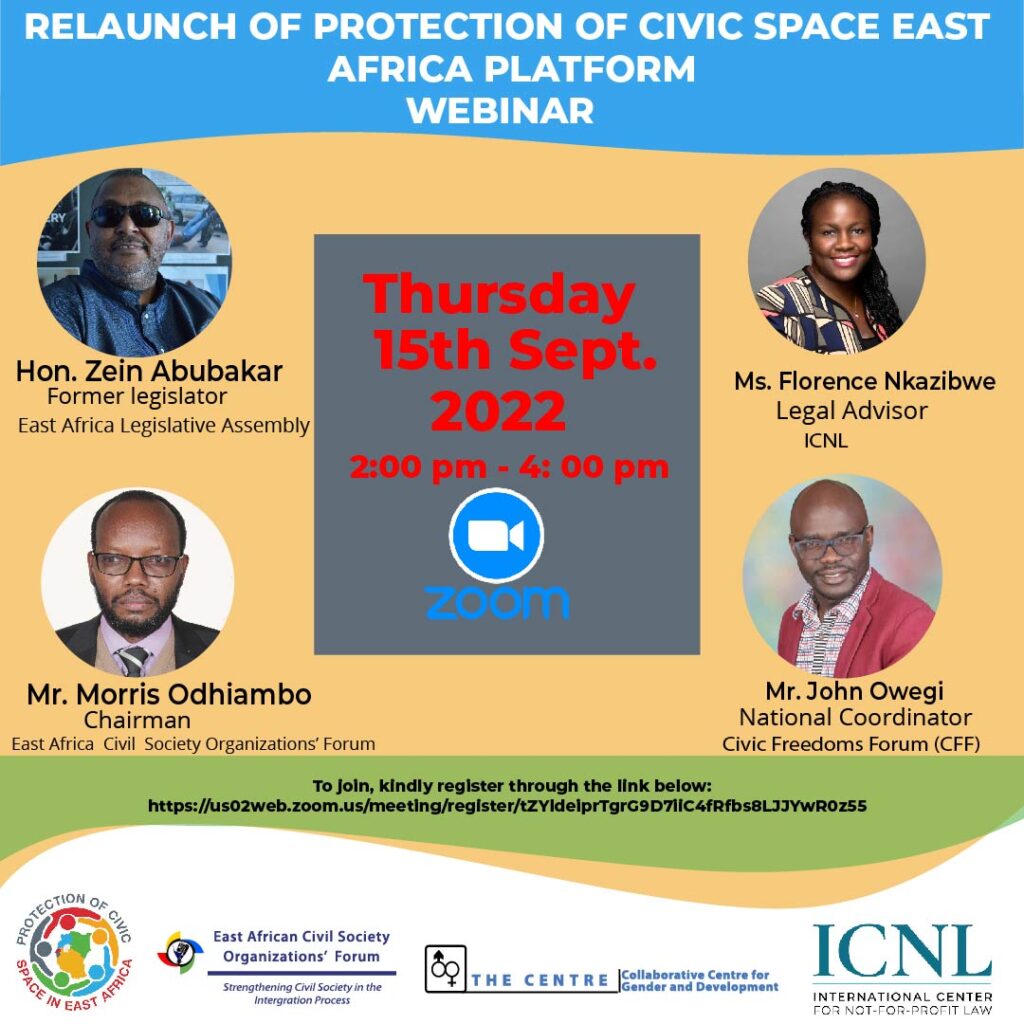
Relaunch of the Protection of Civic Space in East Africa Platform

By Getrude Angela

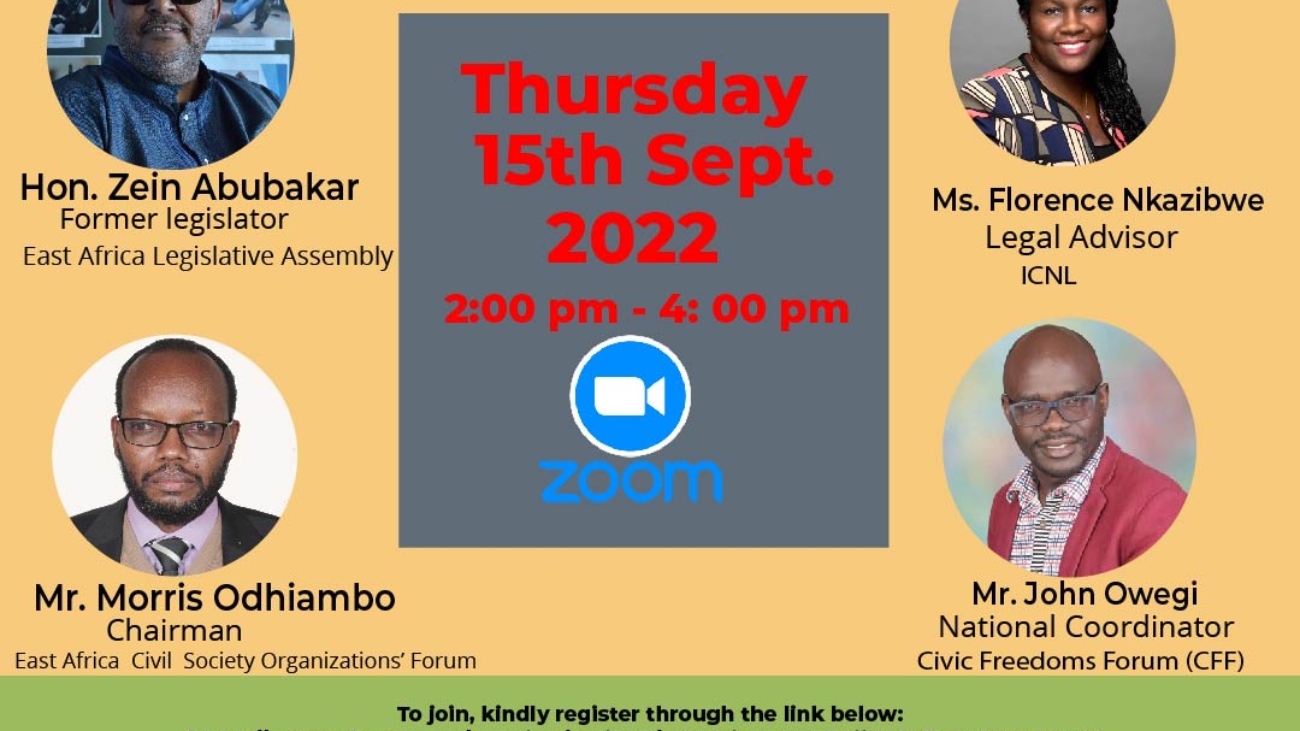
The East Africa Civil Society Organizations’ Forum (EACSOF) Kenya Chapter with support from International Centre Not-For-Profit Law (ICNL) on 15th September 2022 relaunched the Protection of Civic Space in East Africa Platform – an open interactive platform that seeks to re-enforce the capacity of civic actors in East Africa to counter shrinking civic space by sharing information, human resources strategies and share best practices in the region. The platform was originally launched on 19th September 2019.

Speaking at the relaunch, Hon. Zein Abubakar, a former legislator of the East Africa Legislative Assembly (EALA) stated that one of the cornerstones for creating the platform was to safeguard public participation in civic space.

He noted that constraining constitutional and legal frameworks from different EAC partner states have advanced the shrinking of civic which has left only Kenya with a fair legal framework in the region.

Ms. Florence Nakazibwe, Legal Officer at ICNL said the platform will consolidate expression and intensify efforts to address the challenge faced by civic actors and CSOs. Adding that it will also incorporate influential people such as traditional leaders, youth and FBOs, social movement activists, and trade unions as key allies that will amplify the civic space.   She called on civic actors in Kenya, Uganda, and Tanzania to build the capacities of civic actors in the new states joining the EAC.

The chair of EACSOF-K, Mr. Morris Odhiambo urged members to interact with the platform as it will enable them to get regular updates on emerging trends in civic space saying that the platform will offer the opportunity for information sharing across the region and formulation of strategies to enforce and safeguard civic space.

CUC

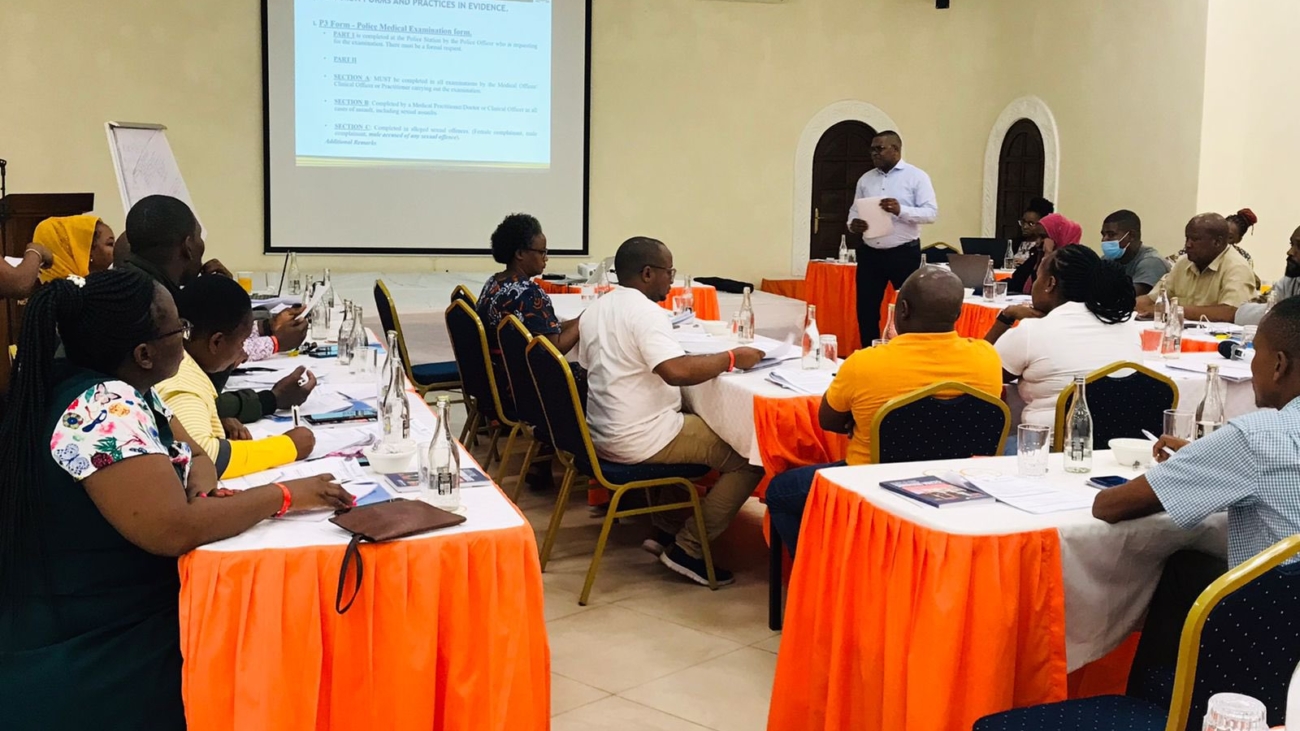
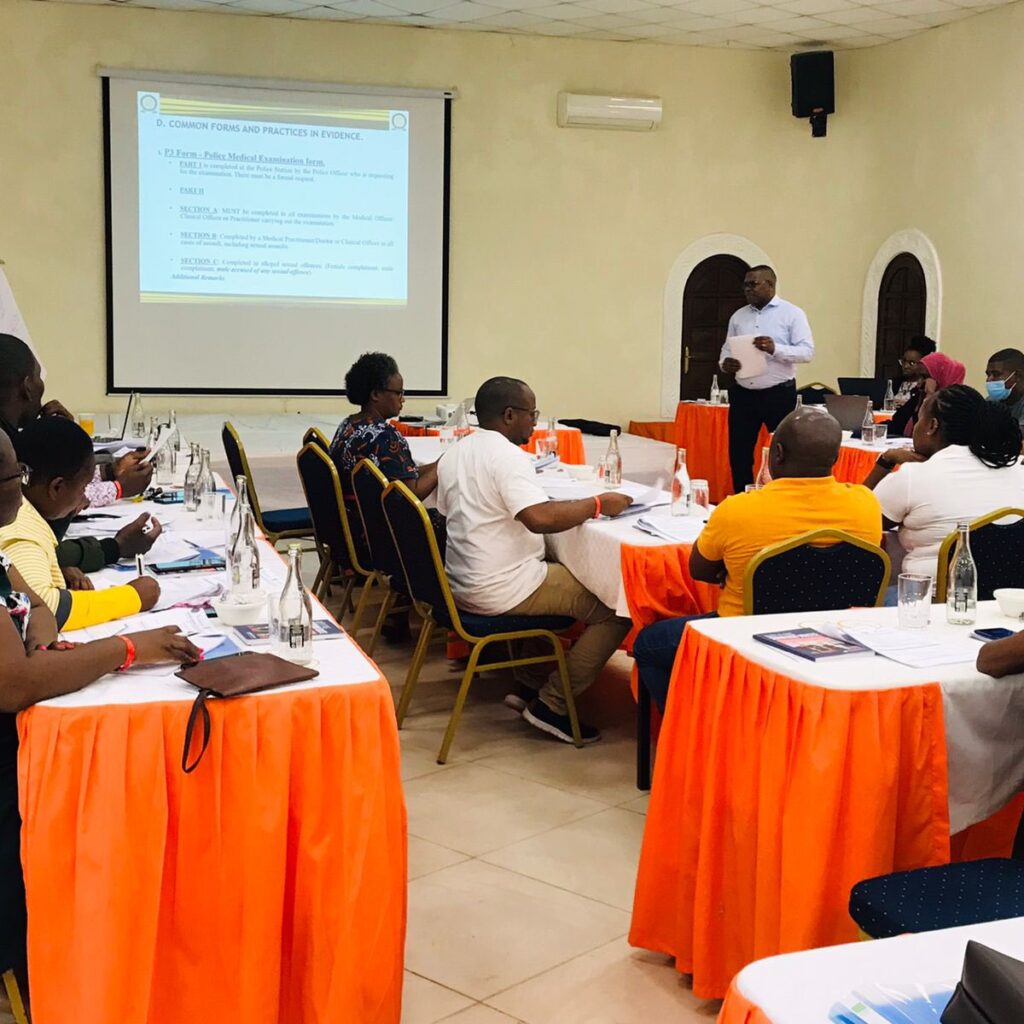
Kwale County medical, law and justice actors join efforts to improve the collection and handling of SGBV -related evidence

By Maurice Goga

Clinicians, police, Office of the Director of Public Prosecutions and judiciary representatives held consultations on collecting and handling SGBV-related evidence to ensure justice for survivors. 

Speaking at the meeting, Msambweni Law Courts Senior Resident Magistrate, Hon. Sandra Ogot stated that the chain of conviction starts with the police who compile evidence before handing them over to the Office of the Director of Public Prosecutions (ODPP) which then presents the evidence before the court.

“The police are the first point where survivors of SGBV run to before they proceed to the hospital for examination by clinicians. Once the evidence is lost at this point, the case is lost because the evidence determines whether the case will end up in conviction or acquittal,” Hon. Ogot said.

The Senior Resident Magistrate called on the police not to accept any form of bribery to interfere with evidence saying interfering with evidence will delay or deny justice to the survivors.

Mr. Mulama Allen, Prosecutor from the ODPP stated that most medical practitioners and the police usually have a challenge when filling the P3 and PRC forms as the prosecution teams often have challenges in interpreting the filled forms which have led to many acquittals.

On her part, Fatuma Hadi Ali, a Senior Superintendent from the Directorate of Criminal Investigations said that Kwale County has seen a reduction in the number of unreported SGBV cases which she attributed to the establishment of police gender desk and policare at various police stations across the country. She urged the police officers to ensure that they go through the evidence and exhibits with the plaintiff before the case proceeds to court for a hearing.

The participants said that through community policing they have been able to respond to SGBV cases which has led to a decline in the cases of SGBV in Kwale County.  However, some of the cases go unreported due to   preference by community for community informal resolution mechanisms.

 CCGD continues to strengthen support and services to SGBV survivors by offering institutional support to the Msambweni Referral Hospitals; Gender-Based Violence Recovery Centre (GBVRC).

The GBVRCs offer clinical and psycho-social support to survivors as well as referrals to law and justice institutions support services including medical attention, psychosocial support and linkages to referral pathways whenever they report their cases.

Baringo Youth Demand Involvement in Peace Building

Youth in Baringo County have called on government and other stakeholders to involve them in peace-building initiatives. This comes in the aftermath of reported banditry attacks which led to loss of lives and displacement of people with women and children left to pay the price of the attacks when the security operation was put in place in the aftermath. 

Speaking during a forum on the use of traditional and new media (social media) techniques to promote peacebuilding in Baringo County held on 27th July 2022 in Kabarnet town, the youth noted that they don’t have safe space and platforms where they can freely speak on issues of insecurity and conflict affecting the county.

Led by Felix Chirchir, a member of the Baringo Peace Consortium, the youth expressed their disappointment for not being actively engaged in the decision-making process in matters of peace and security in the county. 

“Youth are mostly perpetrators of these attacks and involving them and giving them a platform to speak on some of the challenges we have as a county will help in addressing the challenges such as conflict,” said Chirchir.

Felix Kemboi, Youth Peace Ambassador for CSI- Kenya called for mapping for mapping of youth groups and community-based organizations working on peace and security and giving safe spaces where they can table their issues.

“As young people, we only want to be listened to and given an opportunity to table our ideas,” said Kemboi.

On her part, Winnie Tuitoek, Journalist at K24 noted that the security agencies have also neglected the youth when it comes to peacebuilding initiatives even in Baringo North and Baringo South where banditry attacks are rampant.

 Participants are usually leaders and security agencies and, in most scenarios, the youth are not given time or space to give their views.

Further, the youth called on the community and security agencies to cease from victimizing and arresting youth who surrender their guns as this will make them shun surrendering the guns.

 The youth also cited limited political goodwill by the government in promoting youth-led initiatives such as inter-communal peace tournaments, inter-cultural festivals, and art-based activism (artivism) that promote peacebuilding.

They called for the engagement of PWDs since some of them were disabled by conflict and they are usually worst affected.

Currently, CCGD is implementing the Women, Peace and Security Program (WS) which aims to end the double marginalization of women in peace and security processes in the counties of Mandera, Samburu, and Baringo counties. The involvement of the youth in peace-building processes and giving them a voice in peace processes is a key objective of the WPS program. 

By Carol Jebet and Maurice Goga