FYw6wobWIAQ3Uj-

Samburu youth join search for peace

By Getrude Angela

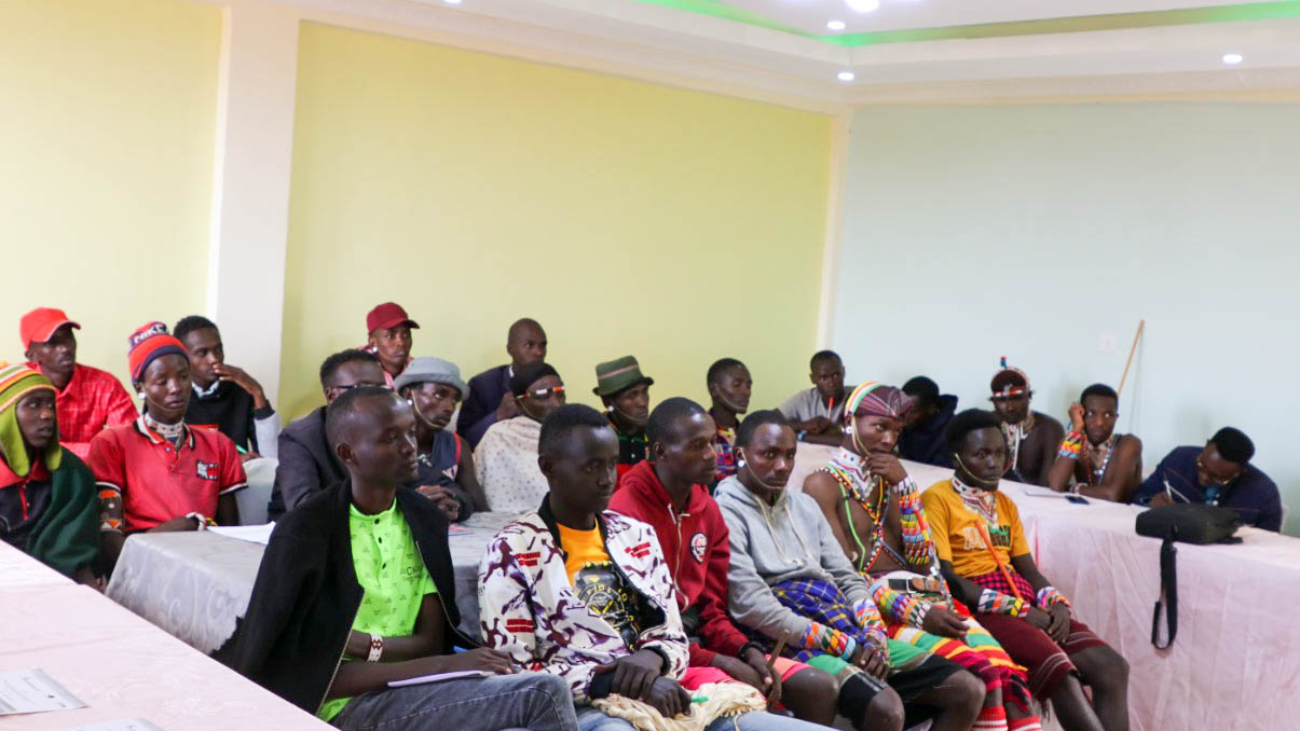
Samburu morans (male youth) met at a peace forum in Samburu County as part of their engagement in the prevention of violence and protection of women from violence.  The morans said that the high school dropout rate has led to an increase in their involvement in violent conflict in the county because those who have dropped out of school are often involved in cattle rustling.

The morans called for the formation of peace ambassadors clan groups that would enable them to be seen as agents of peace and not perpetrators of conflict and violence, especially during campaigns and communal conflicts. They said they are not involved in the decision-making process due to age-based cultural barriers

The stakeholders present reiterated that the issue of unemployment and drug abuse should be addressed. 

Currently, CCGD is implementing the Women, Peace and Security Program which aims to end the double marginalization of women in peace and security processes in the counties of Mandera, Samburu, and Baringo counties. The involvement of the youth in peace-building processes and giving them a voice at decision-making tables should enhance peace and security in the counties.

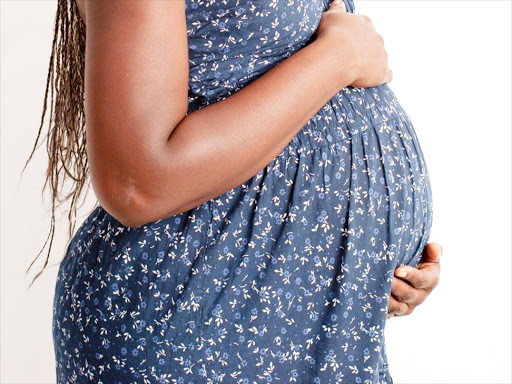
A pregnant girl. Image: The Star

Efforts to address teenage pregnancies and sexual and reproductive health rights in Samburu County 

Empower Pastoralist Organization of Kenya held a sensitization workshop for 35 teenage mothers in Maralal town, Samburu County. The event focused on understanding the root cause and challenges of teen pregnancies in the county. Further, teenagers were sensitized on sexual and reproductive health rights, GBV, referral pathways, and available opportunities for young mothers.

According to statistics obtained from Samburu County, Health Department shows that 832 teenagers became pregnant between January and March 2022 and the health officials fear that the number is will spike by end of this if nothing is done by both national, and county governments and other stakeholders.

Teen mothers cited FGM and child marriage as the main causes of teenage pregnancy in the county saying in most cases, they are usually married off after the act. Further, they mentioned a lack of funds to start a business.

Samburu County Assistant County Commissioner, Mr. George Murage said high poverty levels, SGBV and retrogressive cultural practices in the county contributed to the rise of teen pregnancy.   

“Teen mothers are a vulnerable group who should be made aware of the existing government opportunities and support and shall be given priority to teen mothers during the distribution of relief food and funds, “said Mr. Murage.

Mr. David Wambua, Samburu County Police Commander urged the young mothers to report cases of GBV to the special unit at the police station where young girls and women can report GBV cases.

He noted that if reports on cases of GBV can be done promptly by the community including young mothers then the county will be free from GBV and enhance opportunities for women.

The girls promised to report SGBV cases using the HAK 1195 hotline.

By Getrude Angela

Maanzoni-1553

Road map for unpaid care and domestic work policy

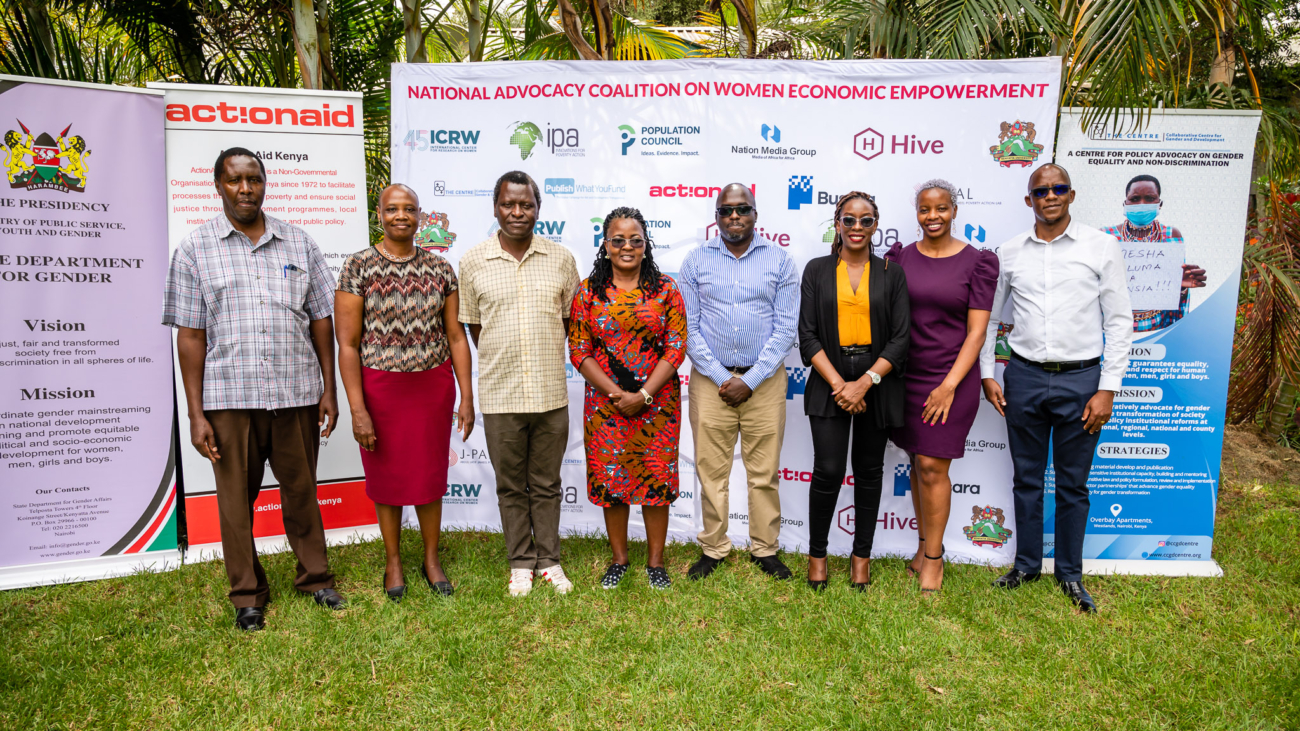
The National Steering Committee on the Unpaid Care and Domestic Work policy (UCDW) held a three-day stakeholder meeting at the Manzoni lodge in Machakos County with the objective to develop a road map for the development of the UCDW policy.

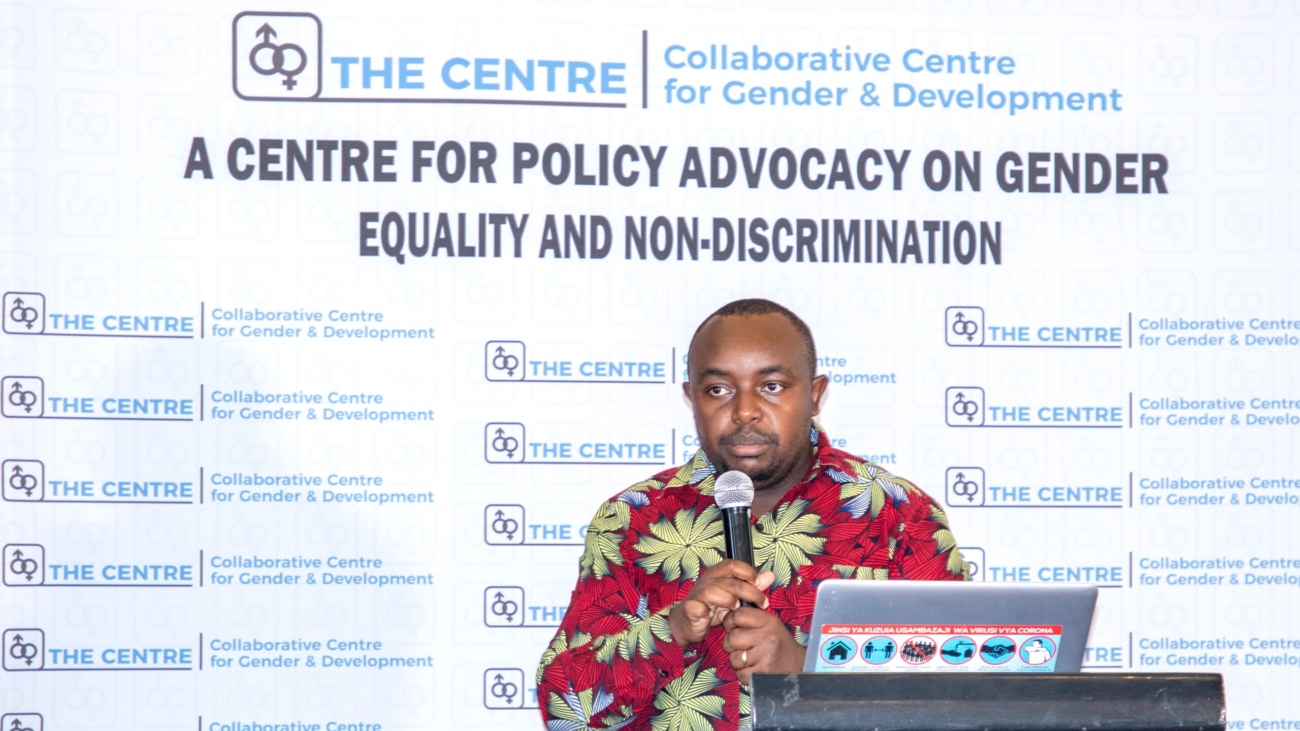
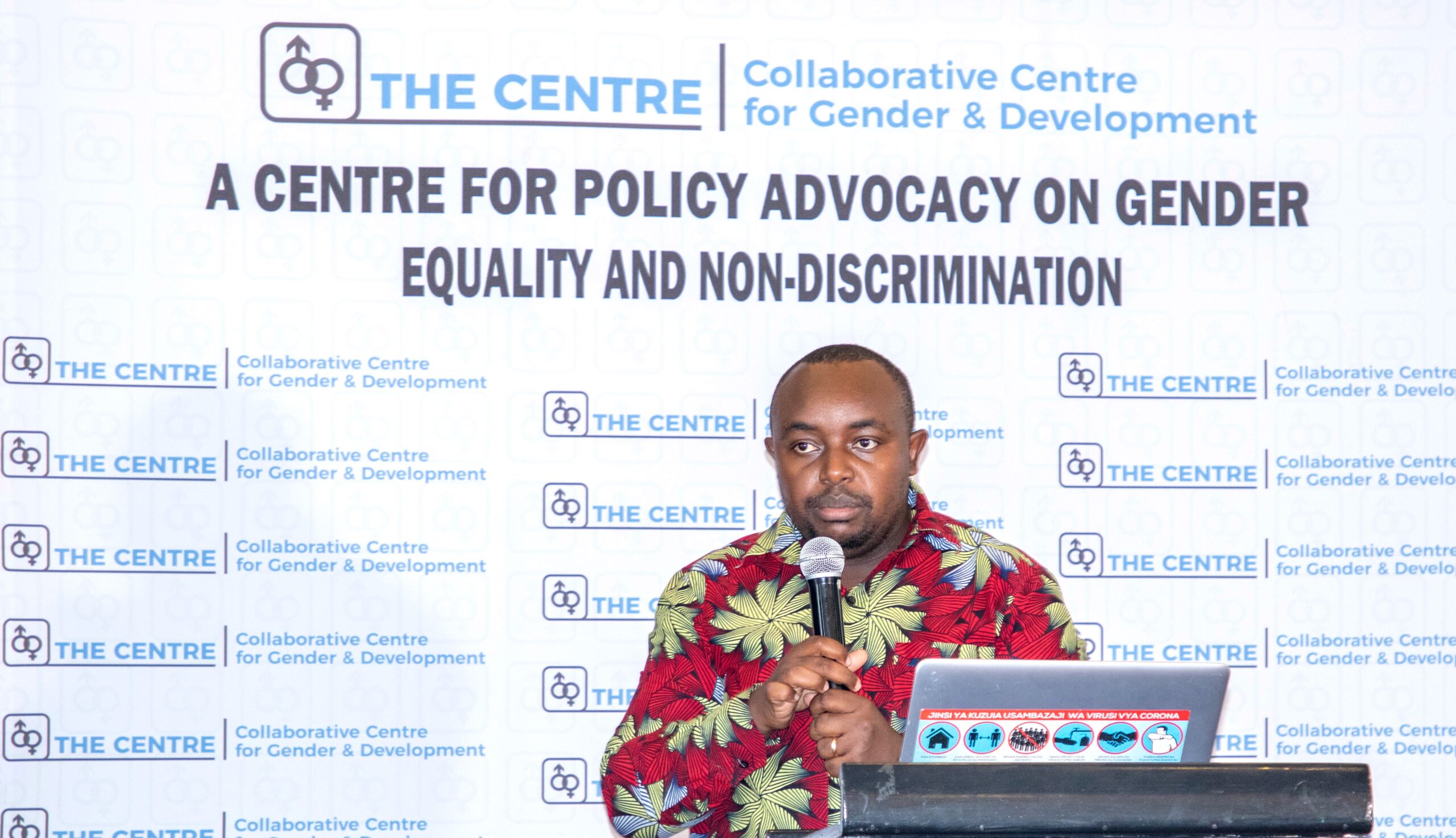
 Speaking at the meeting CCGD Executive Director, Mr. Masheti Masinjila stated that policymakers should address issues concerning unpaid care work as it has implications on the achievement of gender equality. Weak policies, socio-gender cultural beliefs and practices and inadequate provision of care services contribute largely to the disproportionate burden of unpaid care work by women.

 Action Aid Kenya Executive Director, Ms. Susan Otieno urged the government to recognize, redistribute and remunerate unpaid care work.  Adding that the 3Rs can only be achieved with support from the state and non-state actors.

While the UN Women representative, Ms. Maureen Gitonga commended Kenya’s ability to monitor gender-related data which has led to increased data collection and analysis resulting to filling gender data gaps across the Sustainable Development Goals.

“Time use survey will inform the development of the first national care policy in 2022 and shape the creation of the country’s first-ever satellite national account to measure unpaid care work as a priority in the fourth medium-term plan,” said Ms. Maureen.

Others present included representatives of Ministries and State Departments/Agencies; The University of Nairobi Women Economic Empowerment Hub (UON -WEE Hub and ICRW

The stakeholders called for quantifying the effect of unpaid care work through research.

CCGD is a member of the Steering committee on the development of a policy on unpaid care work.

By Getrude Angela

FVjj1f1WQAAc_B5-1

Calls for elimination of harmful practices affecting children

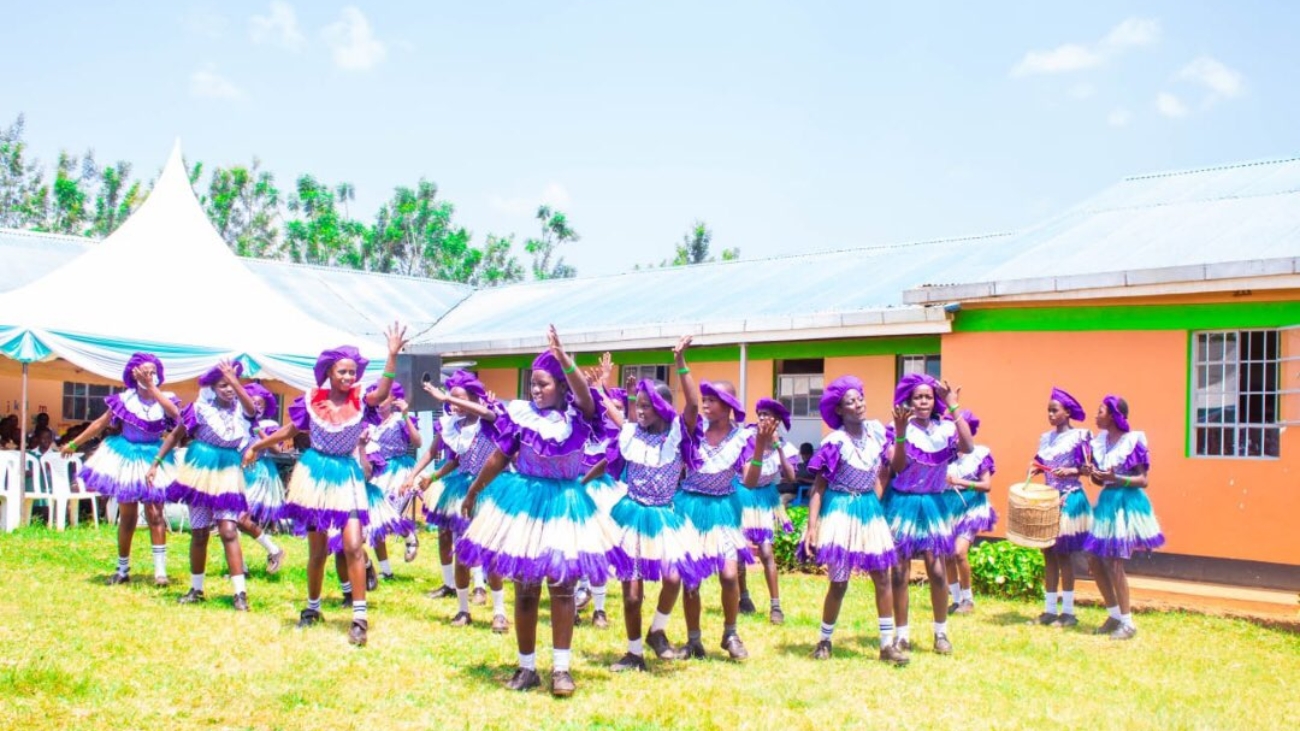
Calls for the elimination of harmful practices affecting children dominated the celebration of the Day of African Child on June 16, 2022

 In Kwale, Busia and Mombasa. In Kwale County, the celebrations were held at Kinango sub-county where at least 1500 children and 500 parents were engaged on the need to eliminate harmful practices such as Female genital mutilation, child marriage and sexual violence. 

In Mombasa County, the commemorations provided an opportunity for the children to deliberate on the progress of policies and practices around the prevention of harmful cultural practices against children.

Mr. Gilbert Kitili, County Directorate of Children’s Services in Mombasa said children face challenges including defilement, child trafficking, child marriage and child discrimination. He urged the stakeholders to give children opportunities such as Children Assembly to make decisions on matters affecting them.

In Busia County, 700 children marked the event at Busia Compassion Children’s Home in Matayos. 

Currently, CCGD in partnership with the University of Nairobi Women Economic Empowerment Hub (UON-WEE HUB) implementing the program on reducing the burden of unpaid care work targeting working women among them small-scale cross-border women traders in Busia and Namanga border towns. The program enables women to access quality and affordable childcare services.

By Getrude Angela

296356285_5534116613307230_9022316208497698734_n

Baringo Youth Demand Involvement in Peace Building

Youth in Baringo County have called on government and other stakeholders to involve them in peace-building initiatives. This comes in the aftermath of reported banditry attacks which led to loss of lives and displacement of people with women and children left to pay the price of the attacks when the security operation was put in place in the aftermath. 

Speaking during a forum on the use of traditional and new media (social media) techniques to promote peacebuilding in Baringo County held on 27th July 2022 in Kabarnet town, the youth noted that they don’t have safe space and platforms where they can freely speak on issues of insecurity and conflict affecting the county.

Led by Felix Chirchir, a member of the Baringo Peace Consortium, the youth expressed their disappointment for not being actively engaged in the decision-making process in matters of peace and security in the county. 

“Youth are mostly perpetrators of these attacks and involving them and giving them a platform to speak on some of the challenges we have as a county will help in addressing the challenges such as conflict,” said Chirchir.

Felix Kemboi, Youth Peace Ambassador for CSI- Kenya called for mapping for mapping of youth groups and community-based organizations working on peace and security and giving safe spaces where they can table their issues.

“As young people, we only want to be listened to and given an opportunity to table our ideas,” said Kemboi.

On her part, Winnie Tuitoek, Journalist at K24 noted that the security agencies have also neglected the youth when it comes to peacebuilding initiatives even in Baringo North and Baringo South where banditry attacks are rampant.

 Participants are usually leaders and security agencies and, in most scenarios, the youth are not given time or space to give their views.

Further, the youth called on the community and security agencies to cease from victimizing and arresting youth who surrender their guns as this will make them shun surrendering the guns.

 The youth also cited limited political goodwill by the government in promoting youth-led initiatives such as inter-communal peace tournaments, inter-cultural festivals, and art-based activism (artivism) that promote peacebuilding.

They called for the engagement of PWDs since some of them were disabled by conflict and they are usually worst affected.

Currently, CCGD is implementing the Women, Peace and Security Program (WS) which aims to end the double marginalization of women in peace and security processes in the counties of Mandera, Samburu, and Baringo counties. The involvement of the youth in peace-building processes and giving them a voice in peace processes is a key objective of the WPS program.

By Carol Jebet & Maurice Goga
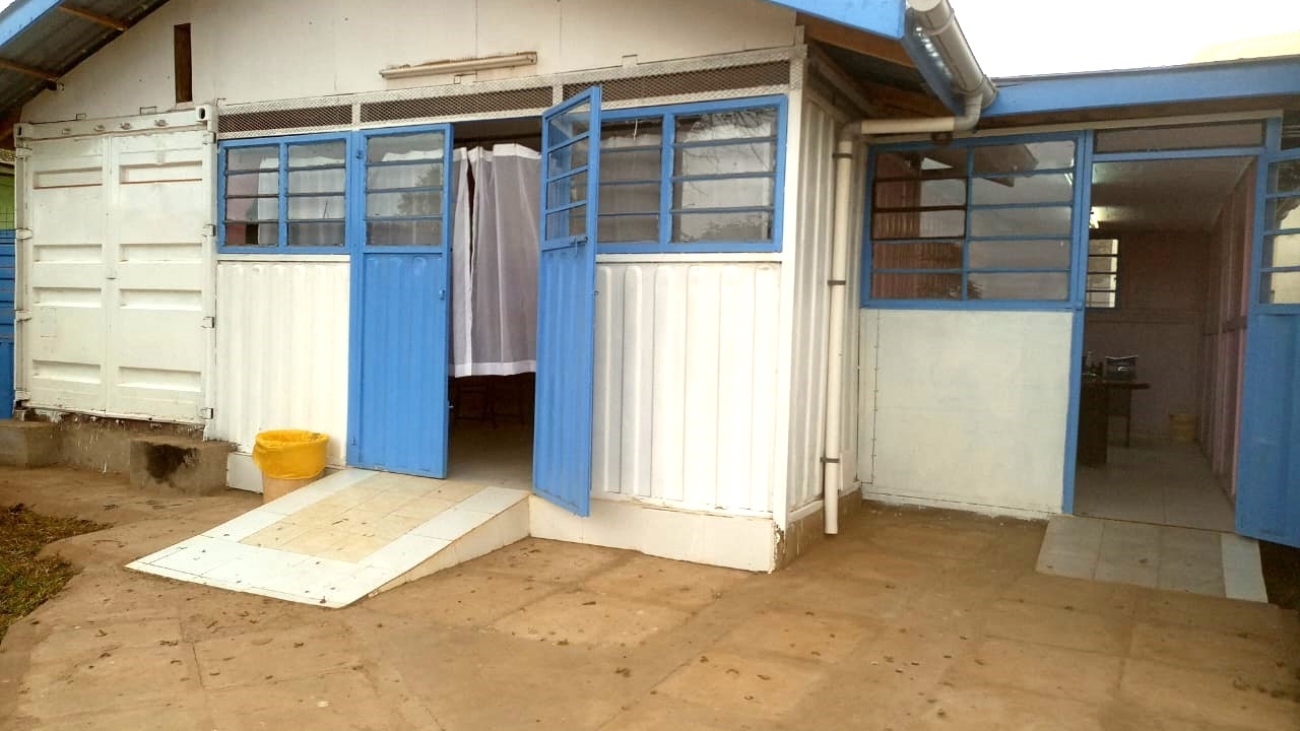
Structure of Kajiado GBURC located at Kajiado County Referral Hospital.

Gender-Based Violence Centers (GBVRCs) in Busia Kwale and Kajiado Counties Strengthens Services to SGBV Survivors

GBV disproportionately affects women and girls, and their vulnerability increases during times of displacement, crisis and pandemics as witnessed during the break out of COVID-19.

In response to the spike of SGBV witnessed during the breakout of the COVID-19 pandemic, Collaborative
Centre for Gender and Development (CCGD) through COVID-19 Recovery and Resilience Program supported by Mastercard Foundation. The program sought to strengthen the support and services to SGBV survivors by offering institutional support to the County Referral Hospitals, the HAK 1195 toll-free helpline, County Administration – Police Satiations and Safe Shelters in Busia, Kajiado
and Kwale counties.

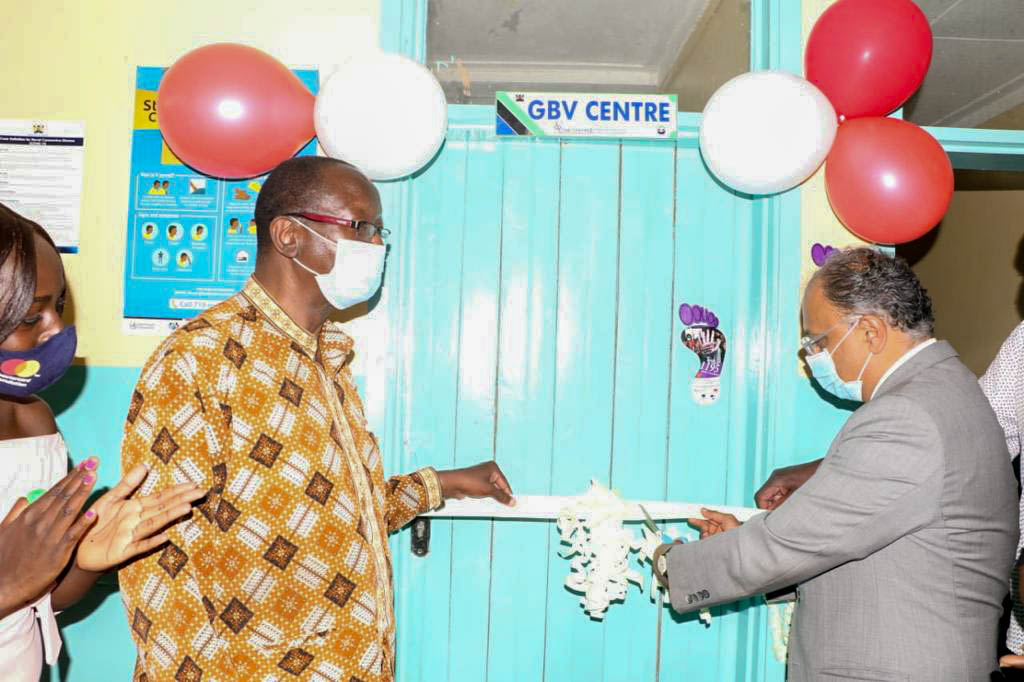
One of the major outcomes of the two-year program was the establishment of Gender-Based Violence Recovery Centres (GBVRCs) at Busia County Referral Hospital, Kajiado County Referral Hospital and Msambweni Level V Hospital.

The Centres were established to strengthen support and services by ensuring that all SGBV survivors have adequate and timely access to quality services in the three counties.

The GBVRCs offer safe spaces where the survivors can get SGBV support services including medical attention, and psychosocial support, connecting them with referral pathways whenever they report their
cases. Further, some l survivors are provided with an in-kind grant which aids them in rebuilding their lives and following up with referral services.

The centres also act as SGBV data collection centers. According to CCGD Research and Data Analyst Program Assistant, Mr. Calvin Chepsiror a total of 321 SGBV cases were reported between January and December 2021 at the three GBVRCs.

He says 252 of the cases were reported in Busia County, 61 in Kwale County and 8 in Kajiado County.
He attributed the variation to different factors such as the Centres not being established at the same time.

“The variation witnessed especially in Kajiado County was because the Centre started operating in November, meaning we only recorded reports for two months,” he said.

According to the data 87.54% were female and 12.46% were male this he attributed to the vulnerability of women and girls and the fact that women often report their cases while the men usually shun away from reporting such cases.

Defilement cases were the highest with a record of 182, assault 100, rape 15, sodomy 14, emotional 4, perpetrator 4, and Intimate Partner Violence (IPV) 2. This points out children are more vulnerable to SGBV since they cannot defend themselves against the perpetrators or they can be cured easily by the perpetrators. Further, it was also evident that during school closure the cases of SGBV spiked as witnessed in the month of April and September where 15 and 67 cases were recorded respectively during school holidays.

Generation-Equality-campaign-logo-notag-Twitter-web-en

Busia County Commits to Generation Equality Forum (GEF) Commitments on SGBV

Civil Society Organizations (CSOs) and other interested groups in Busia County have agreed to develop action points that will see the county’s Sexual Gender-Based Violence Policy linked to Generation Equality Forum (GEF) Commitments as part of the Busia County GEF blueprint. The CSOs will review the SGBV policy to link it to the GEF commitments. They will also develop Busia County Blueprint commitments on the implementation of GEF.

 CSO representatives were speaking during a two-day meeting held between 14th and 15th June 2022 that also focused on highlighting the critical challenges to preventing and responding to GBV and advocating for the realization of the ICPD+25 and SDGs. The CSOs also called for capacity building of the health care workers responding to SGBV especially those at the Gender-Based Violence Recovery Centre (GBVRC) in Busia County Referral Hospital. The GBVRC was established by the County Government with support from Collaborative Centre and Gender Development (CCGD) to provide clinical and psycho-social services to GBV survivors as well as boost the   SGBV referral chain by supporting the collection and preservation of forensic evidence for the prosecution of cases.

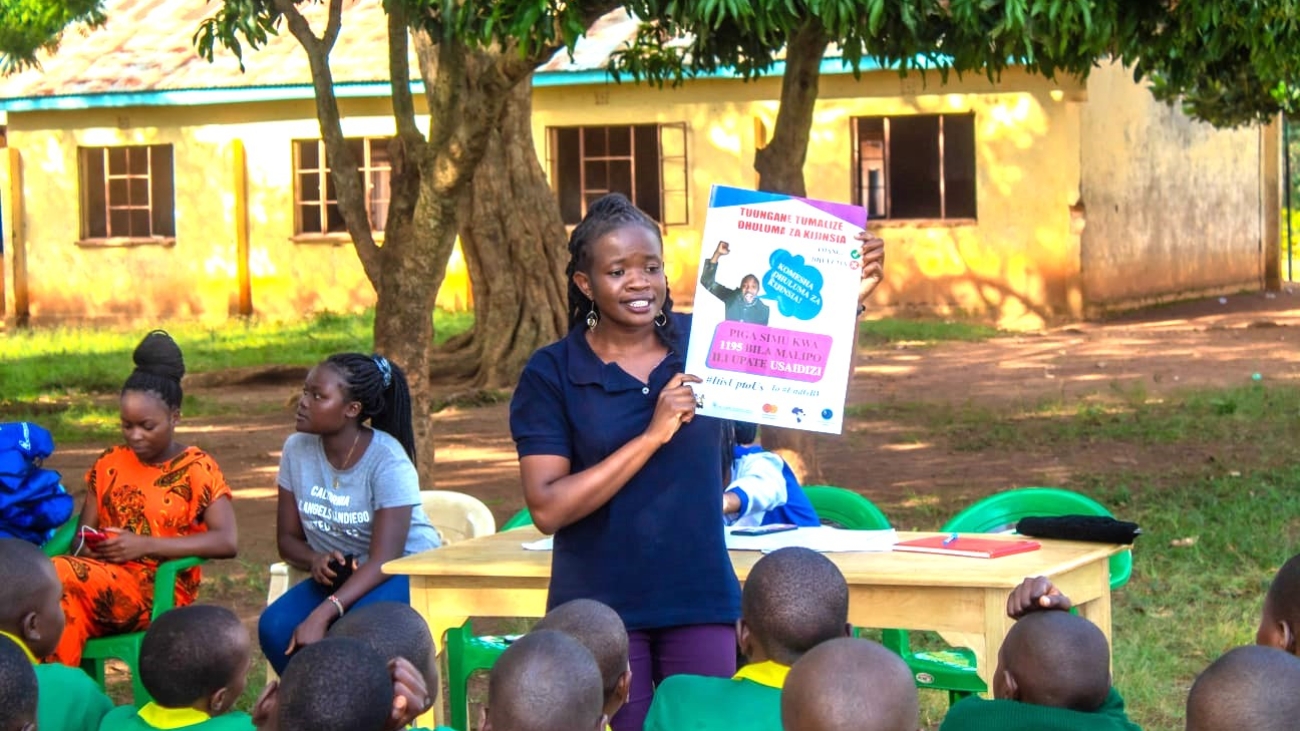
CCGD Busia County Admnistrator, Sharon Ngaira sensitizng girls at Alupe Primary School on menstrual hygiene and GBV. Photo -JJ

Busia CSOs create awareness on Menstrual Hygiene

Busia County marked menstrual hygiene day on 28 May during which girls noted that lack of sanitary products and menstrual knowledge have made it difficult for them to attend school, during the 3-4 days of menstruation.   They also said social norms, misinformation about menstruation, and health factors such as reproductive tract infections (STIs) contribute to their poor performance in school.

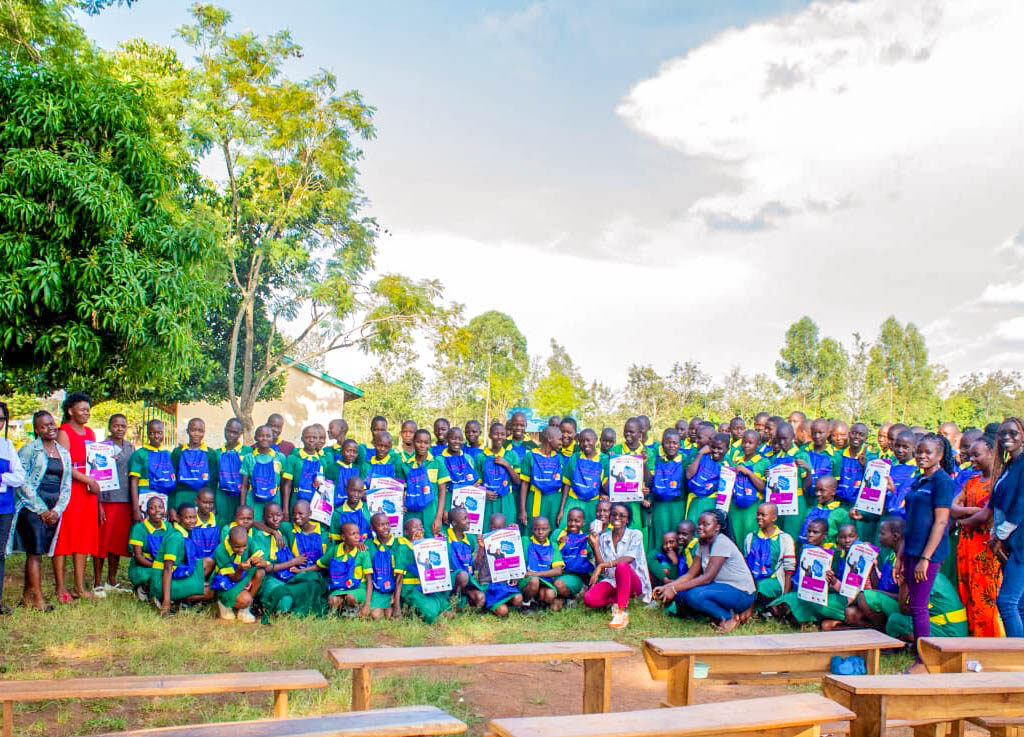
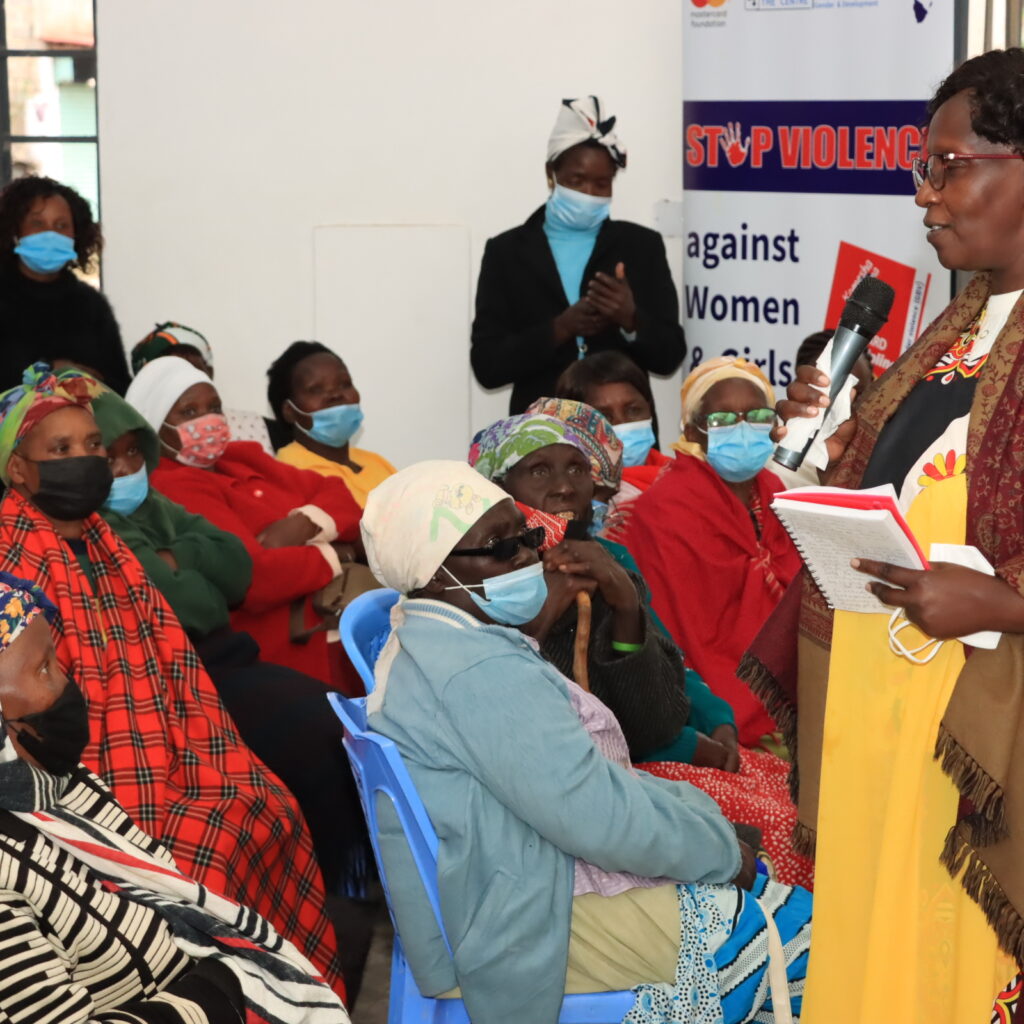
At least 102 girls were given sanitary products and taken through the menstruation hygiene process. The girls were also sensitized on GBV – the various forms of GBV and different referral pathways one can follow when they face GBV cases.

The event was facilitated by a CSO partnership between Border Hub, Women Students Welfare Association (WOSWA) and Collaborative Centre for Gender and Development (CCGD) to mark the day at Alupe Primary in Teso South, Busia County.

The partnership seeks to contribute to the creation of safe spaces for structured conversations and support for the girls with menstrual products.

Busia CSOs in a group photo with girls Alupe Primary School in Teso South, Busia County during awareness creation on Menstrual Hygiene.
[Photo -JJ
IMG_7901-002

POTUMA Women Vow to Calm Warring communities in Kerio Valley 

Pokot, Turkana and Marakwet (POTUMA) women leaders as well as those from Baringo have vowed to meet the bandits and plead with them to down their weapons and end the bloodbath constantly witnessed in Kerio Valley.

Speaking at the forum in Eldoret, Chief Administrative Secretary (CAS) for Gender Hon. Jebii Kilimo said that the killings are unfortunate because the four warring communities intermarry and thus they are relatives.

She noted that during peace meetings, only the elders and leaders attend the meetings while the youth who are at the forefront of the banditry and wars bedeviling the four communities are absent. She called for the youth to be involved in such peace meetings since they are the right targets for the peace messages.

She observed that majority of women are widowed with children due to violent conflict resulting in the deaths of young men. She feared that the generation might be wiped out.

The women agreed to jointly strategize for common priorities to enhance women’s roles and networks in peacebuilding in their respective areas of residence. Some of the activities and events suggested included; inter-communal dialogue, prayers, community peace dividend programs, intercommunal market days, and response to early warning signs.

Also present was Tecla Namashanja from Coalition for peace in Africa (COPA), Australian High Commissioner, Mr. Williams Lukes, Elgeyo Marakwet Governor, Alex Tolgos, Turkana County CEC Gender, Youth, Tourism, Minerals, Climate change, Environment and Culture Special Deputy County Commissioner (coordination the Kerio valley corridor- West Pokot, Baringo and Marakwet Boundaries), Tiaty West Sub- County Administrator among others.

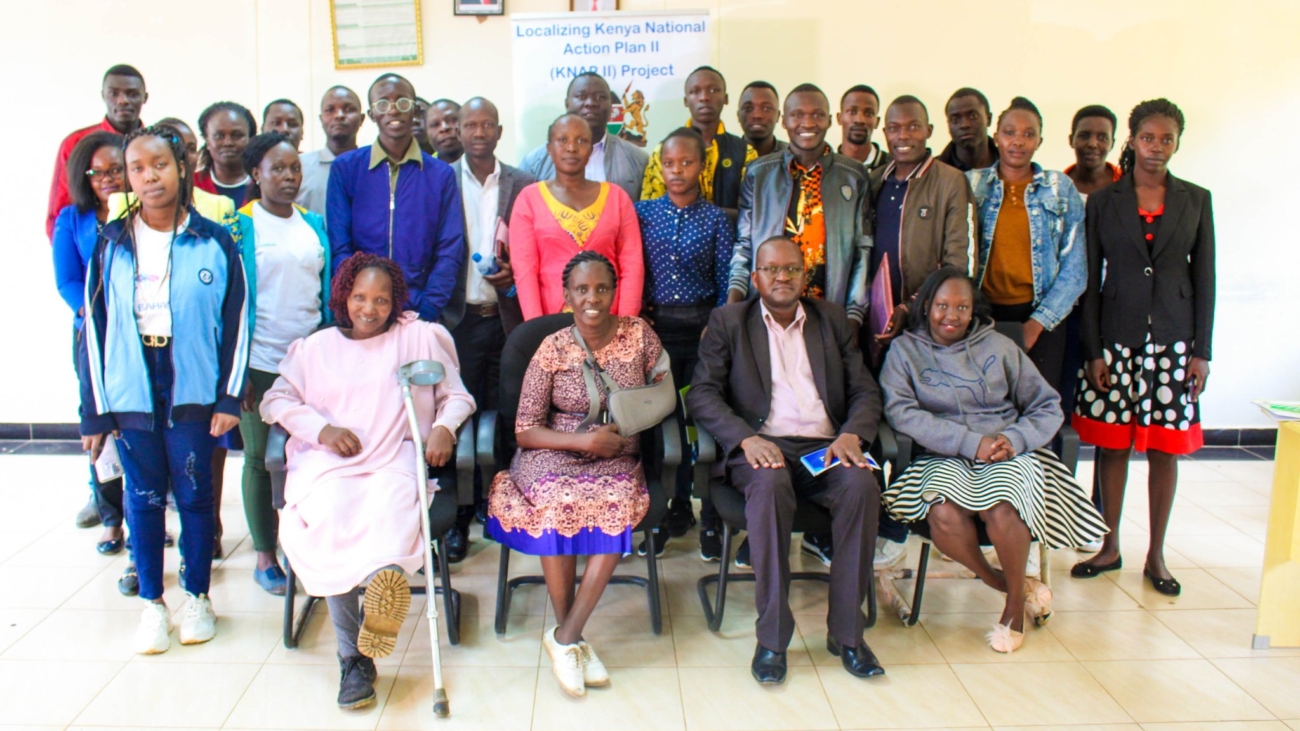
CCGD is contributing to supporting the counties of Baringo, Mandera and Samburu to implement localized county action plans on women peace and security as envisioned in the United Nations Security Council Resolution 1325 (UNSCR 1325) and Kenya National Action Plan (KNAP II)

Hebone

Involvement of the Youth in the EAC Integration

The Principal Secretary (PS) State Department for East African Community, Dr. Kevit Desai paid tribute to the youth as important stakeholders in the EAC integration process since they form a substantial part of the population and their participation in the Consultative Dialogue Framework (CDF) cannot be understated. The PS made the remarks during the National Dialogue Forum held between 23rd and 24th March 2022, 

 He said that several initiatives to mainstream youth into the EAC policy, programs, and projects such as; harmonization of curricula; examination; certification; accreditation of education of training institutes; and harmonization of university fees have been put in place.

Dr. Desai called on the youth to understand and internalize the initiatives of the integration process as this will enable them to spread the integration process to the grassroots and critique the process and policies of implementation.

On his part, the Chair of the National Dialogue Committee – Kenya, Mr. Masheti Masinjila acknowledged the notable presence of the youth whom he said had attended the forum in good numbers, a clear indication that the dialogue process will continue.